Context
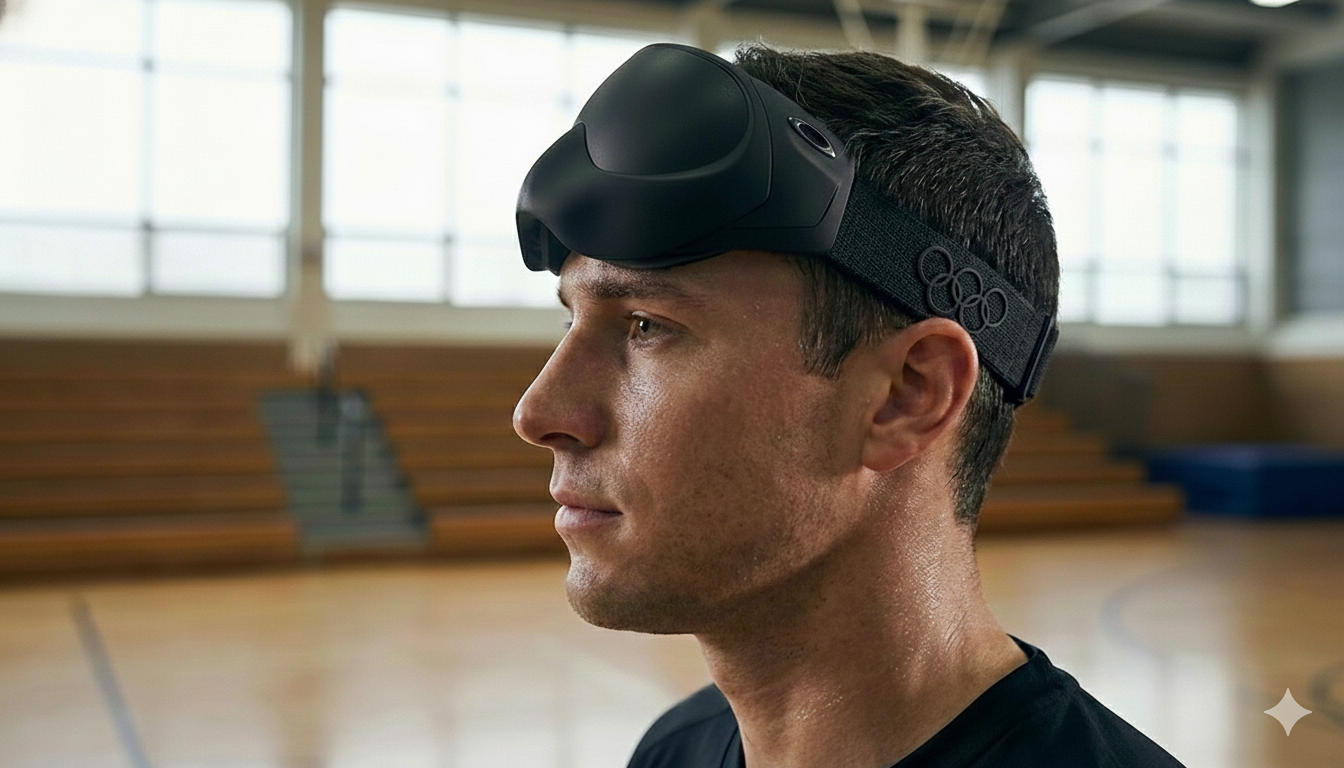
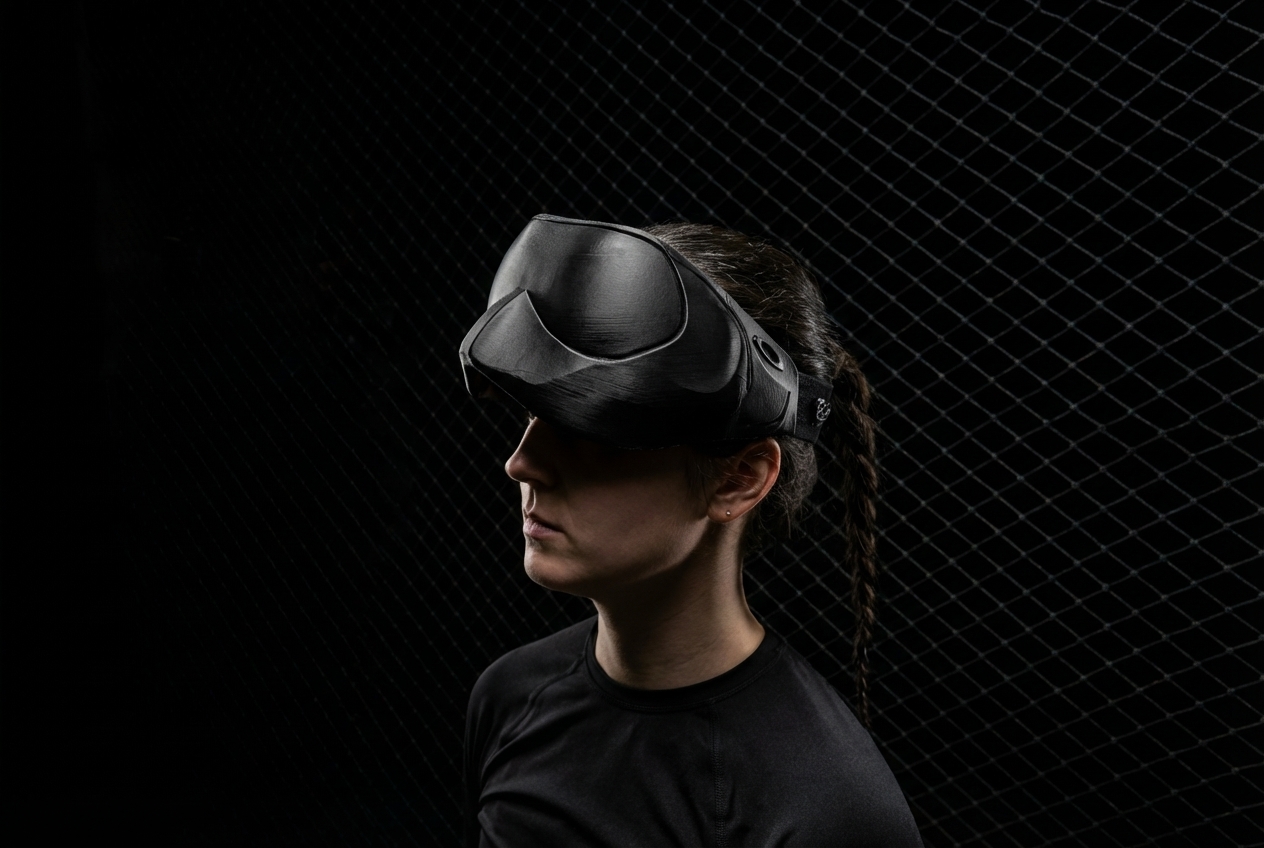
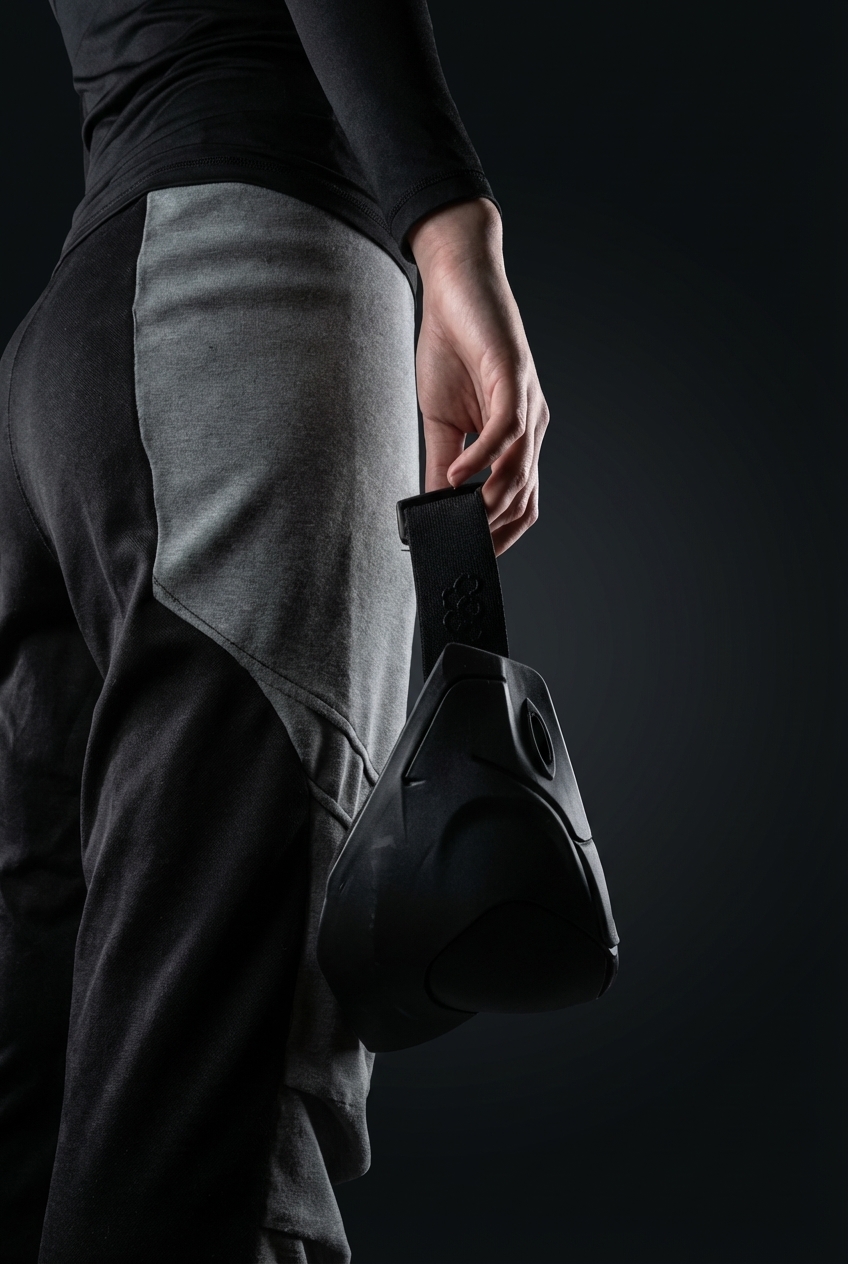
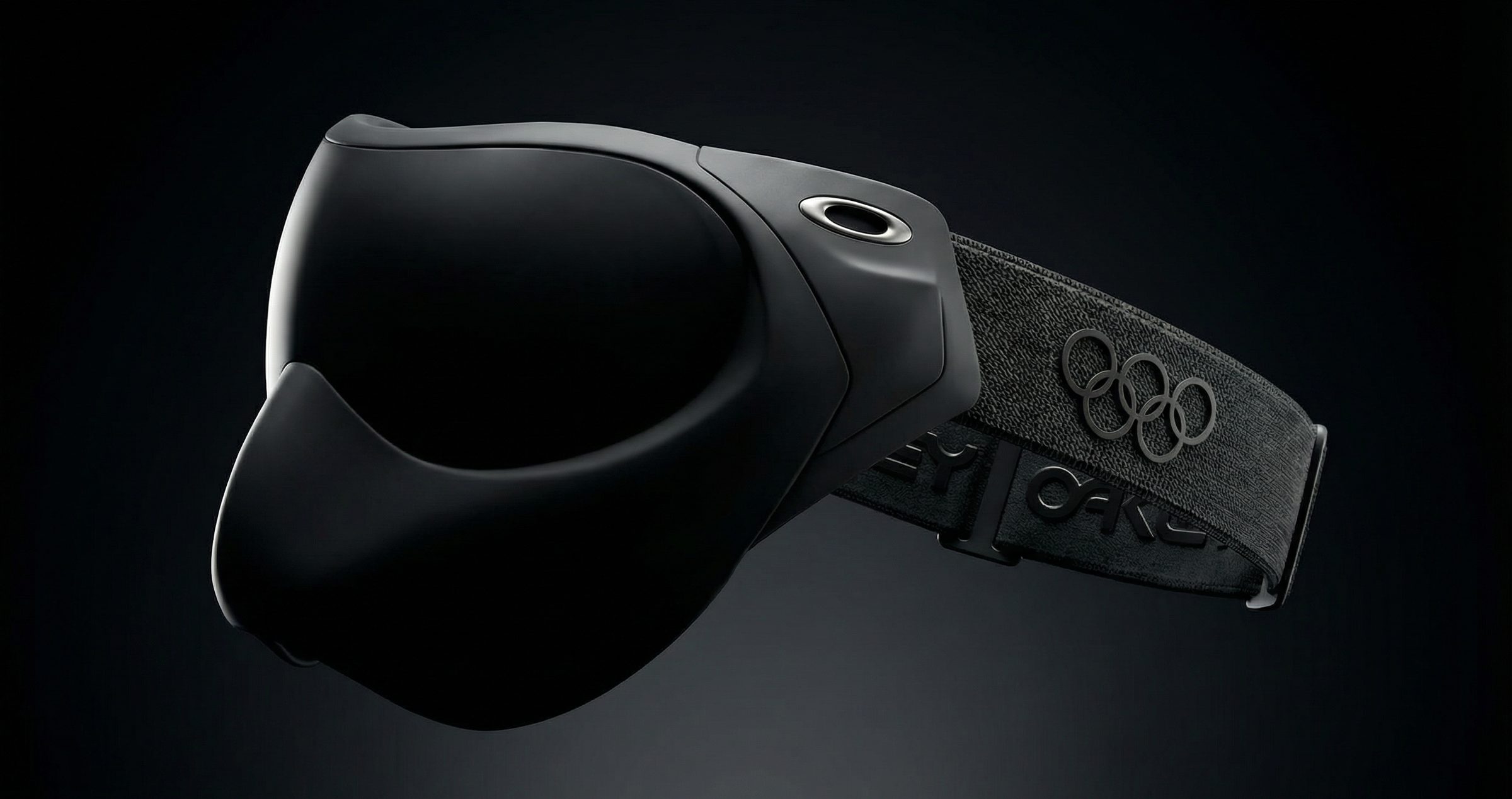
Redesigning the regulation goalball eyeshade around protection, fit, and how Paralympic athletes actually play.
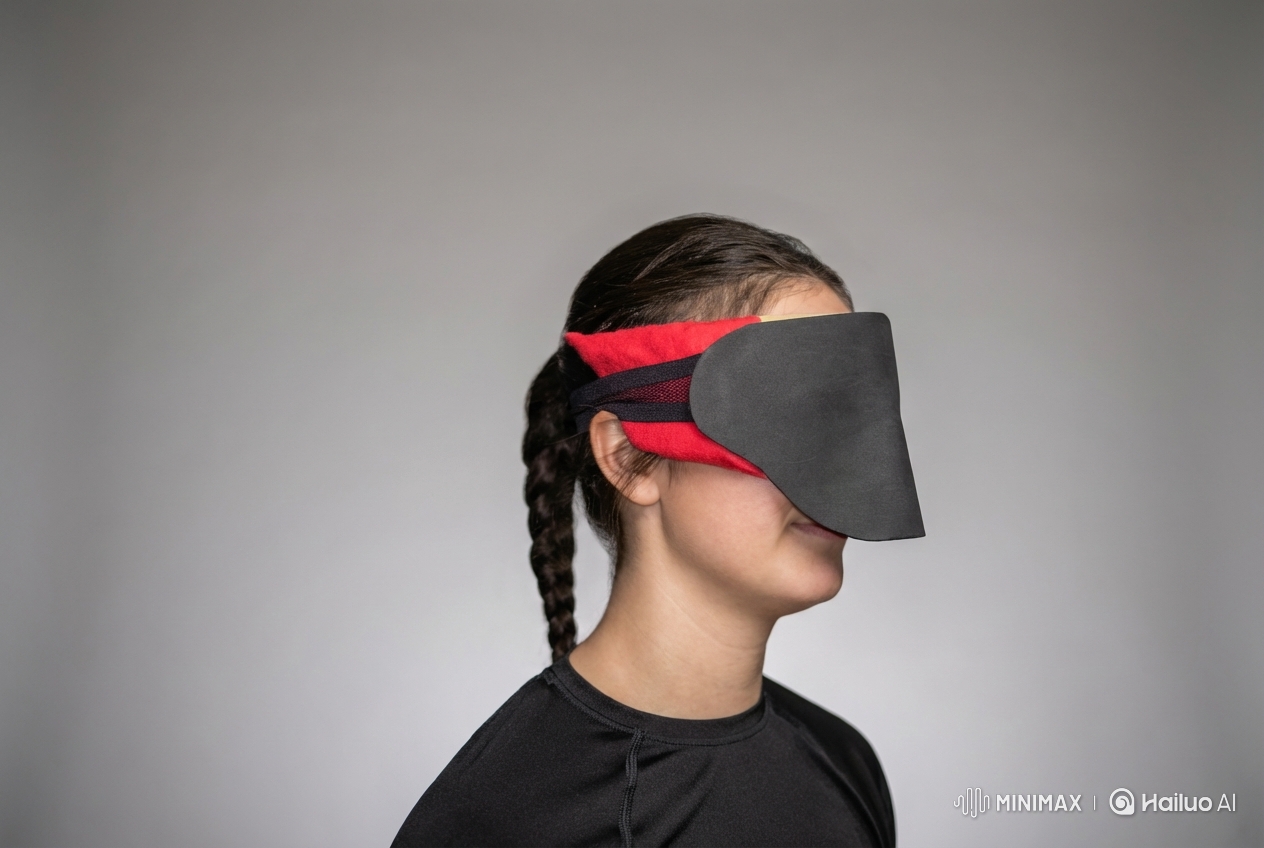
Goalball is a Paralympic team sport for athletes with visual impairments. All players wear blackout eyeshades to equalize vision — but no eyeshade on the market was built for the demands of the sport.
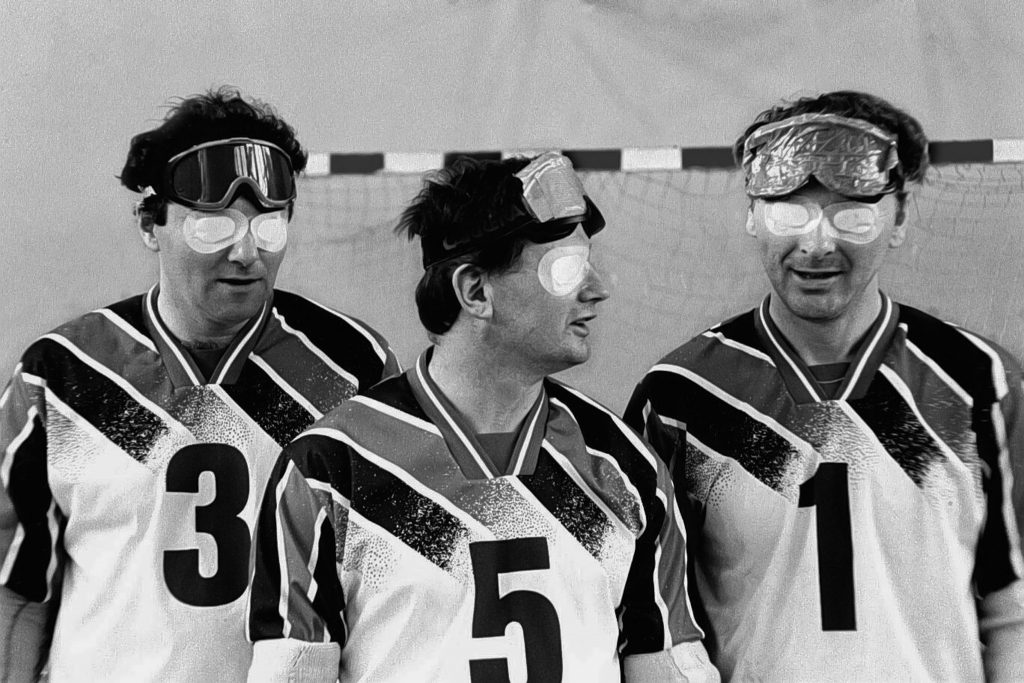
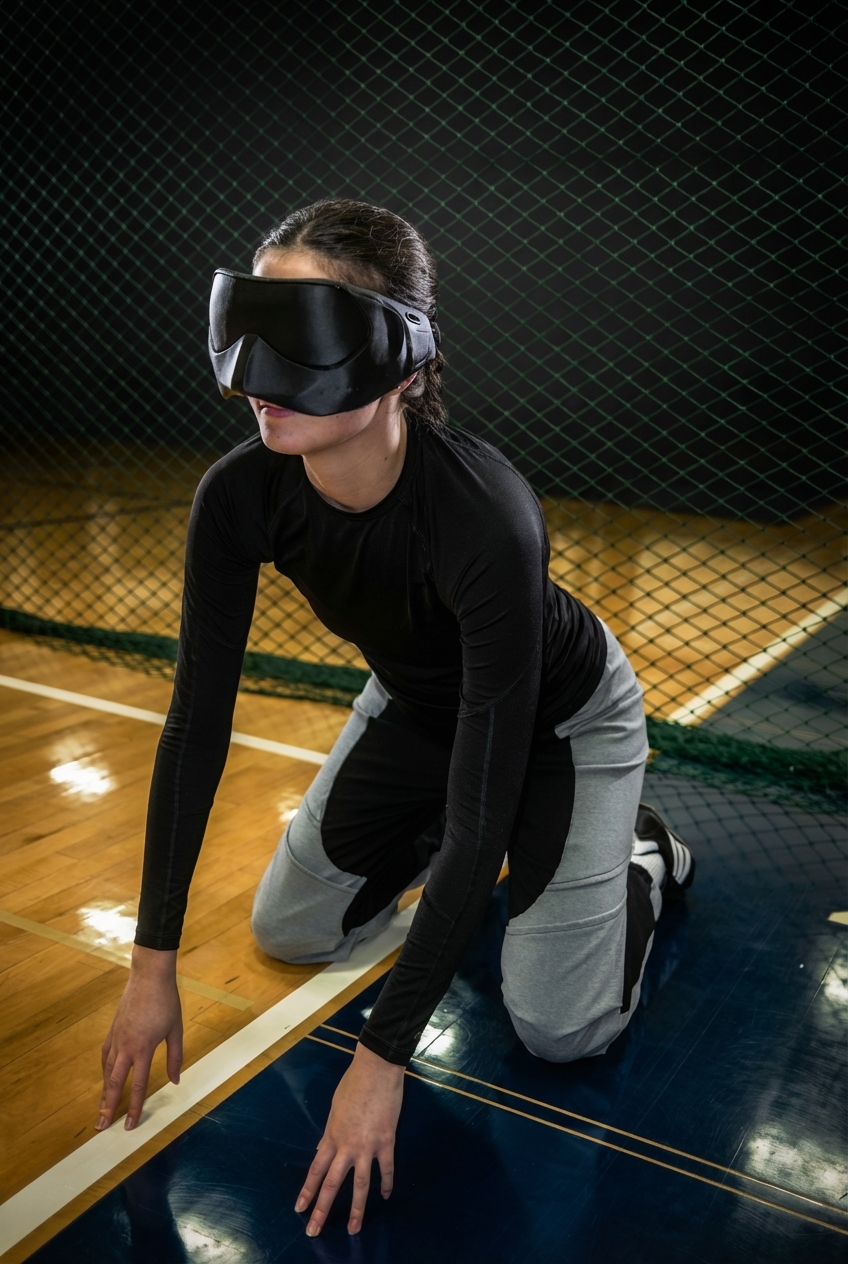
Athletes competing in DIY eyepatches and taped ski goggles
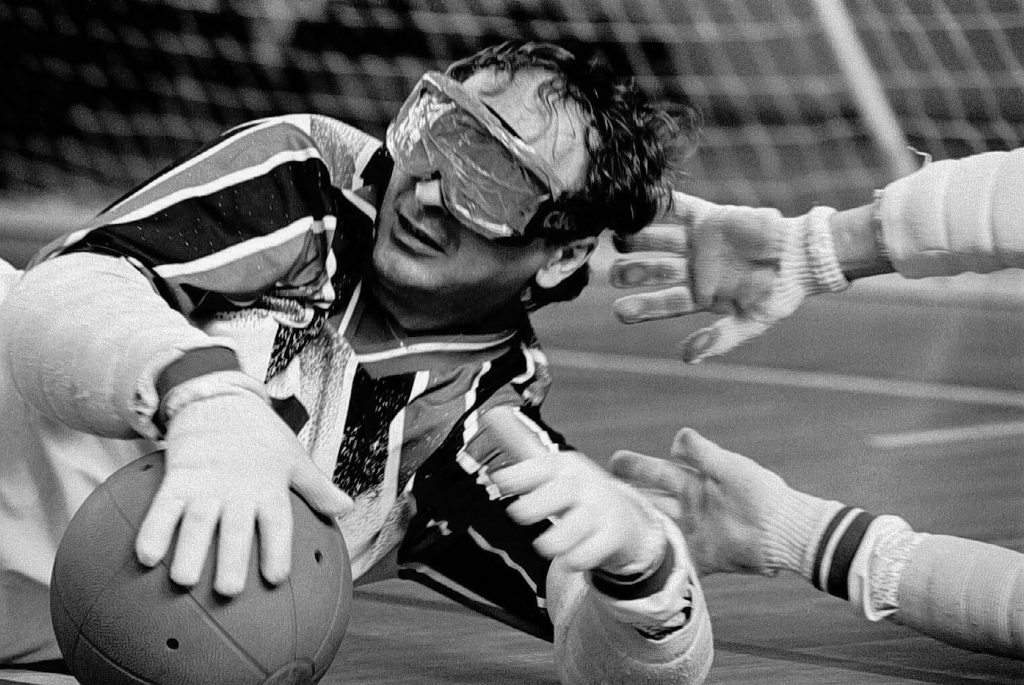
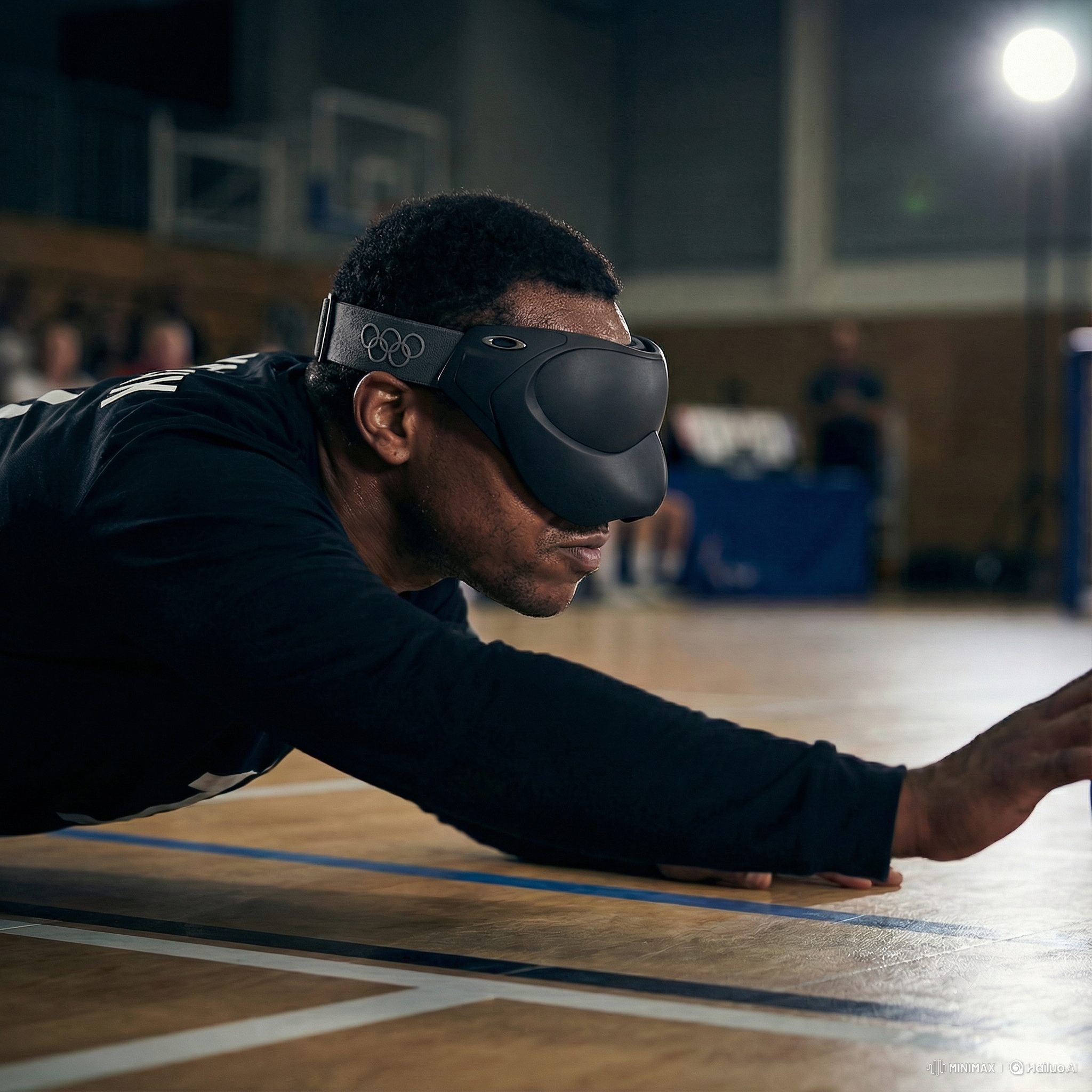
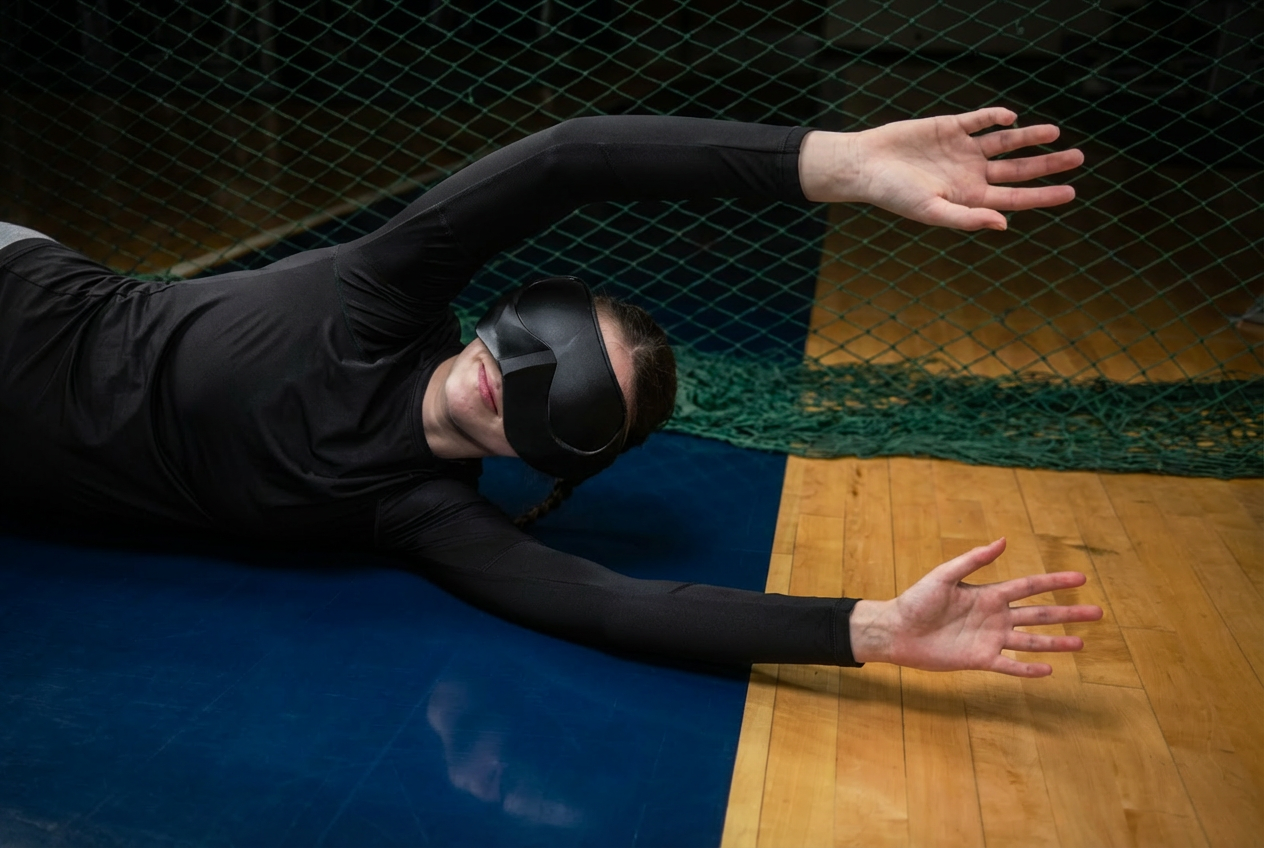
The defensive dive exposes the forehead, nose, and cheekbones, areas current eyeshades leave unprotected
Research
Current goalball eyeshades degrade quickly and offer limited protection.
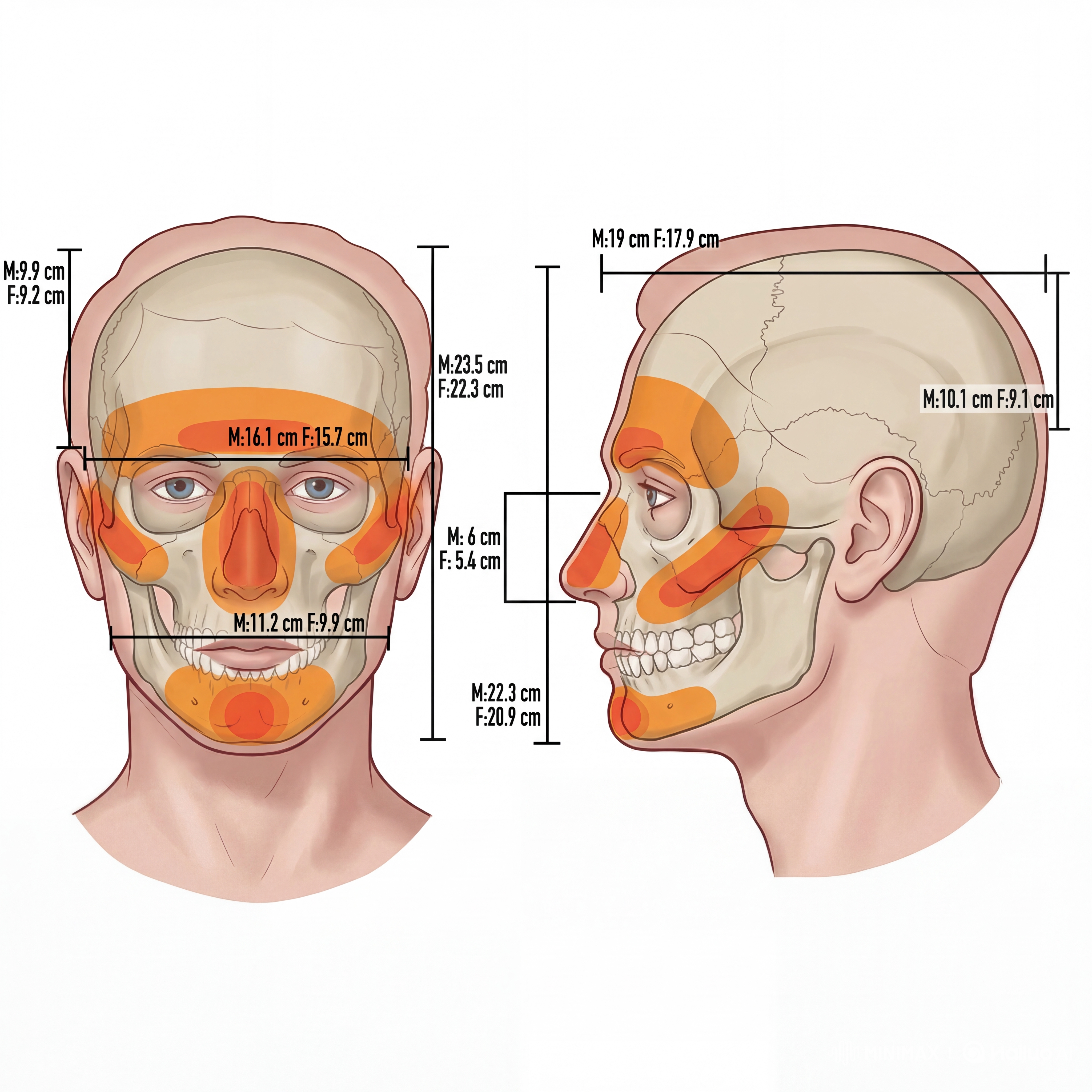
Most goalball impacts occur on the forehead, nose, and cheekbones, where the ball or floor first makes contact. Studies indicate that athletes with visual impairments may be at a higher risk for concussions compared to their sighted counterparts due to challenges in spatial awareness and reaction time (Teodoro, 2024).
Standard eyeshades leave the lower face exposed, offering minimal protection against glancing impacts or ricochets. Many athletes resort to DIY solutions like taped ski goggles that meet blackout requirements but lack sport-specific function.
Athlete Insight
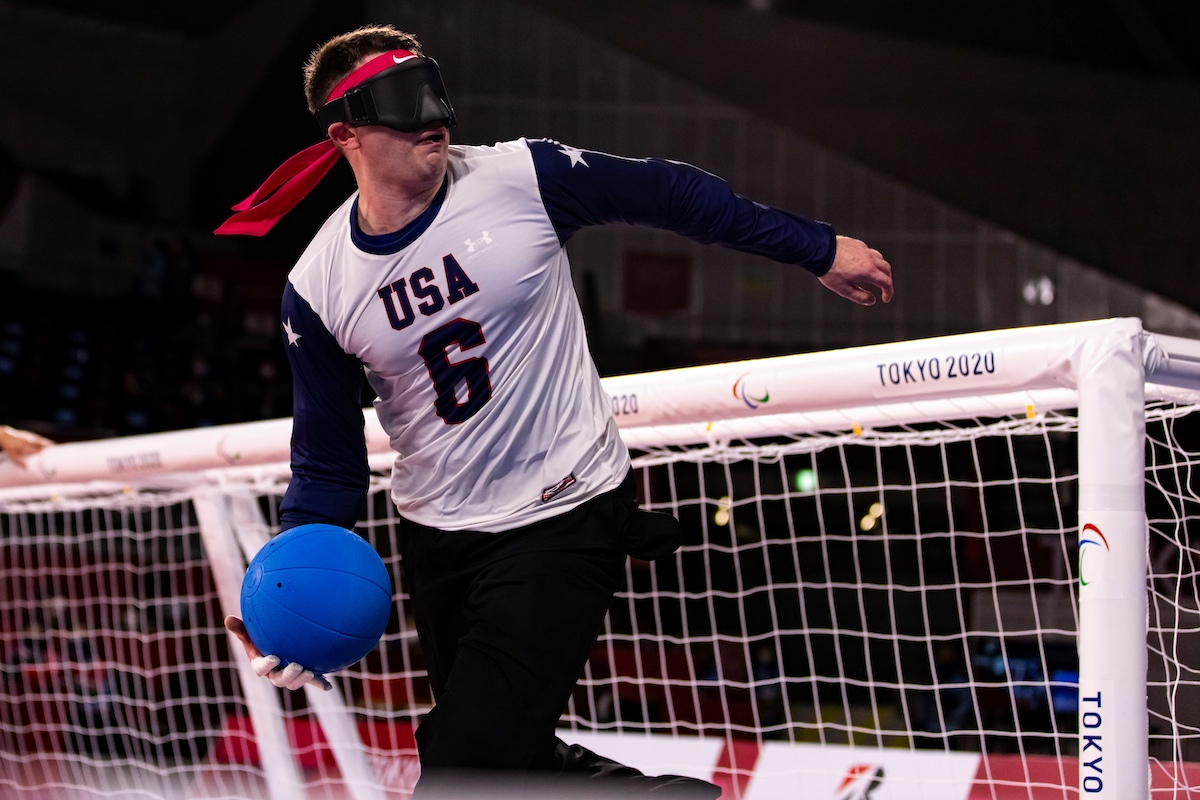
Current regulation standard, Goalfix Eclipse
"The foam on the current regulation goggles is gross. It wears down quickly and harbors tons of bacteria from sweat."
— Calahan Young, Paralympian 2020 & 2024
Young has retinitis pigmentosa, causing substantial peripheral vision loss, night blindness, and color blindness.