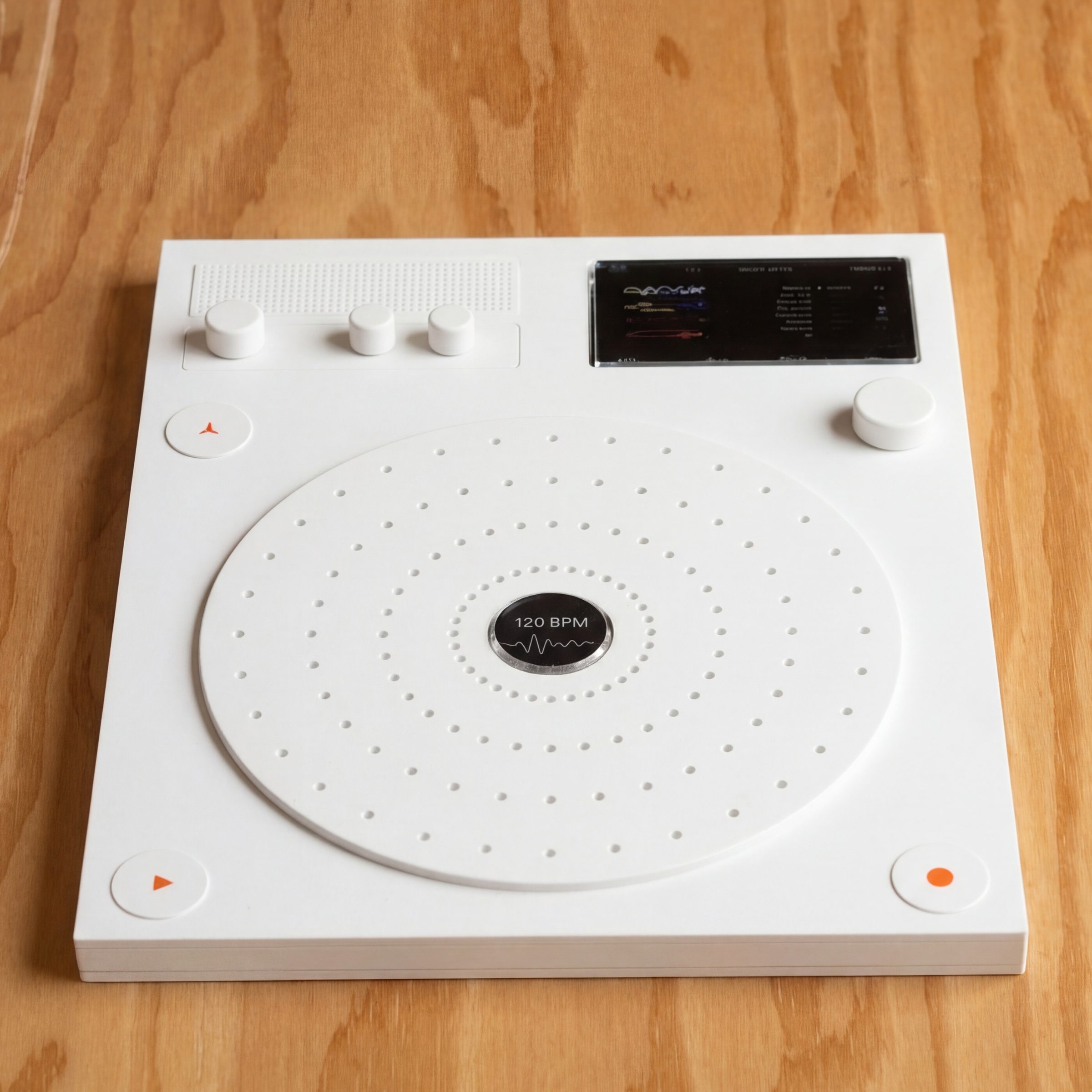
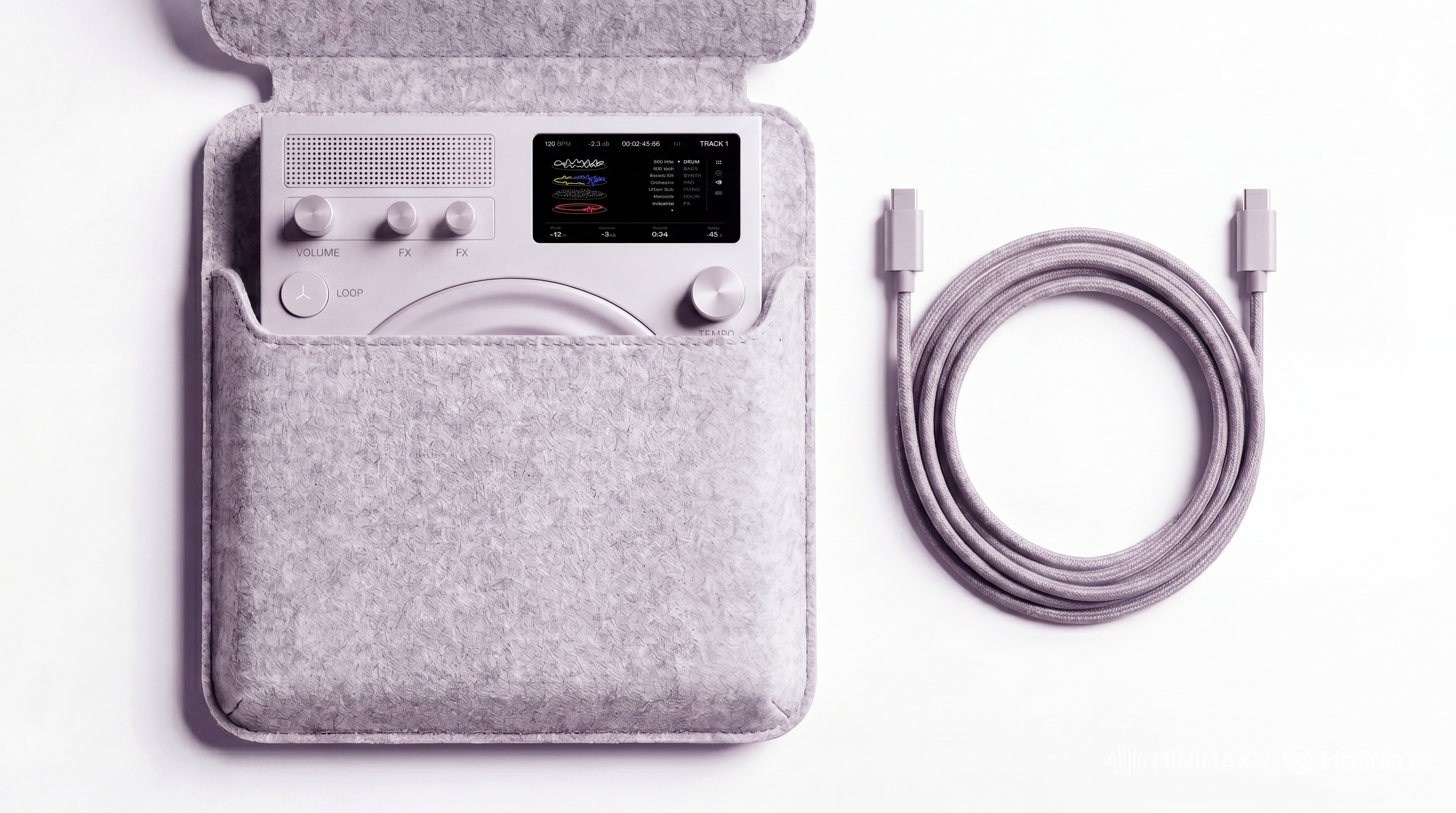
Context
Before language, before writing, before tools — humans made sound.
Instruments date back 40,000+ years. Creating sound is one of our oldest generative acts. Music-making is deeply human — yet modern tools have steadily moved it away from the body and into the screen.
Research
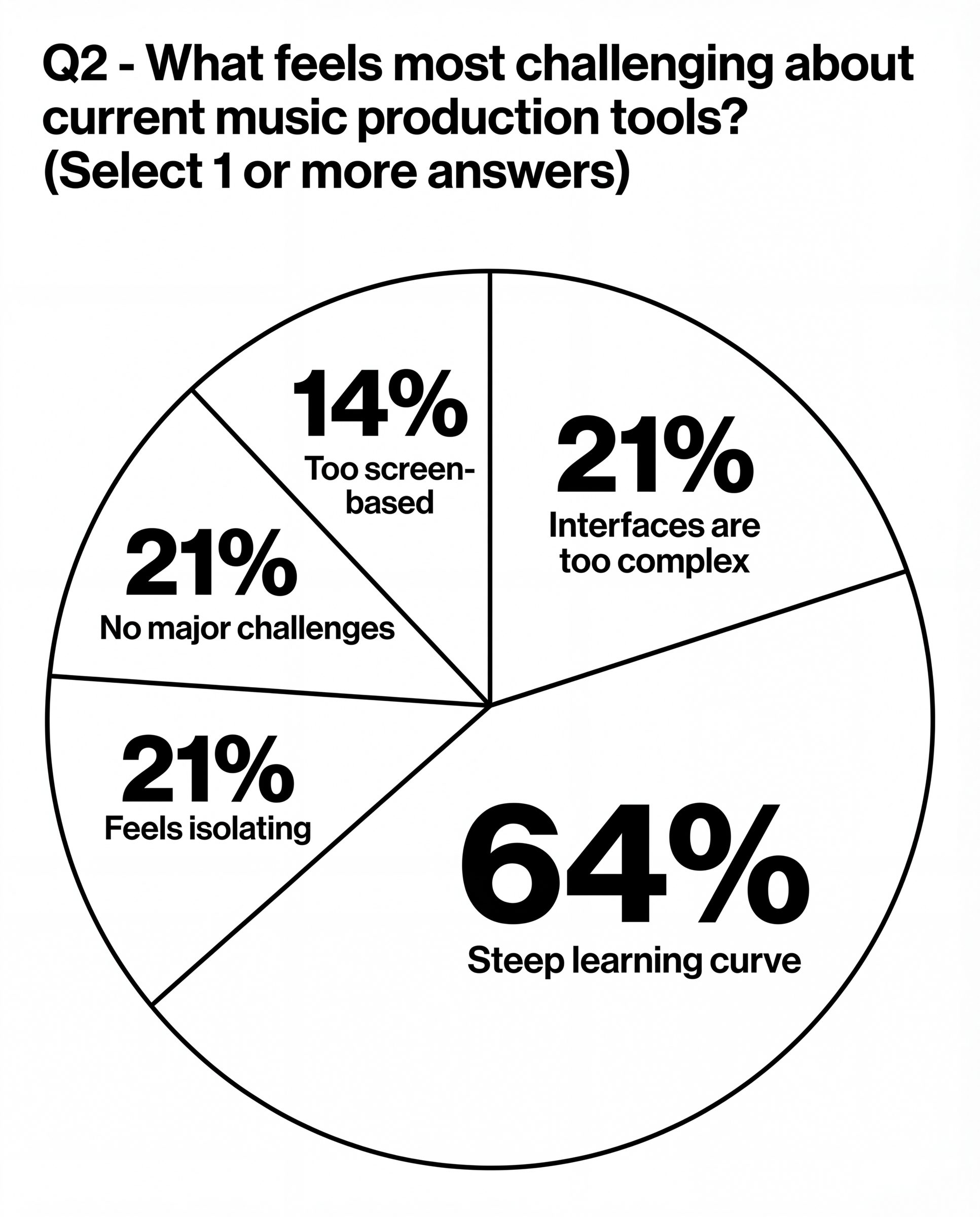
Music creation has become a solo, screen-based act.
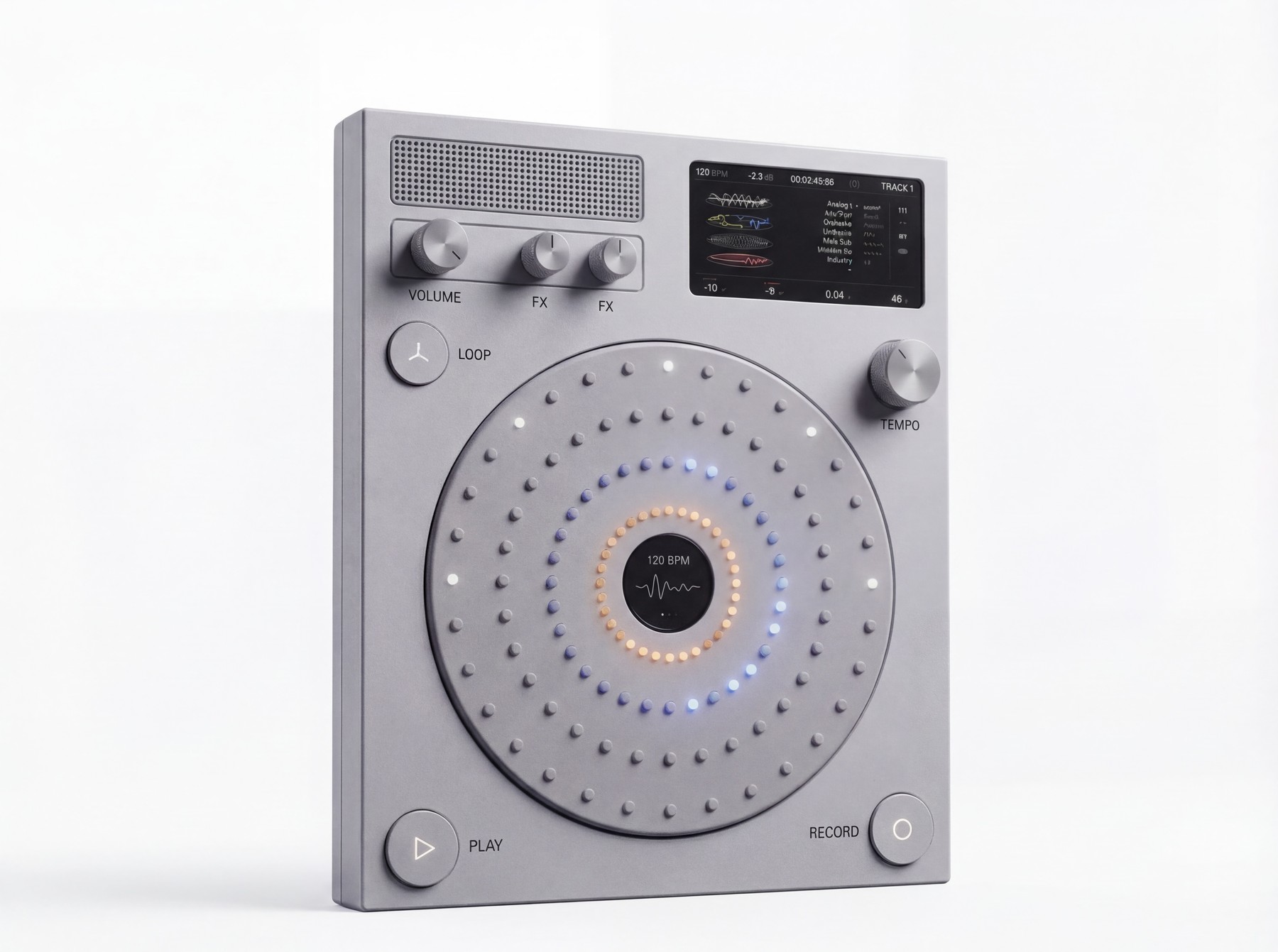
Much of modern music interaction happens alone — listening through personal devices, creating through screen-based software. The tools built to enable creativity have instead introduced friction, isolation, and cognitive barriers.
When rhythm and structure are hidden in timelines and menus, users struggle to understand patterns. Visualizing rhythm helps users understand how musical elements are layered and arranged over time.
A gap between expression and accessibility.
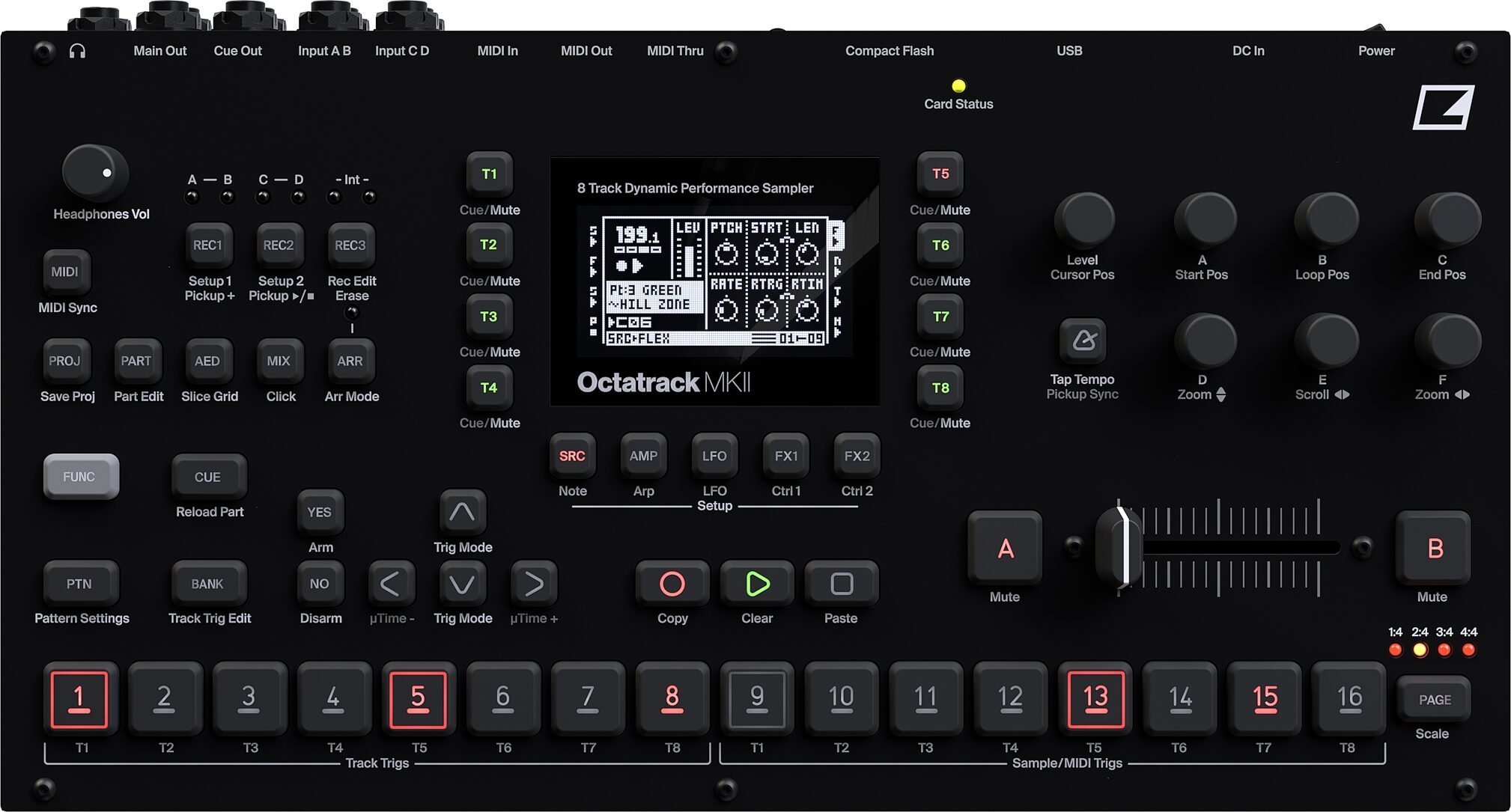
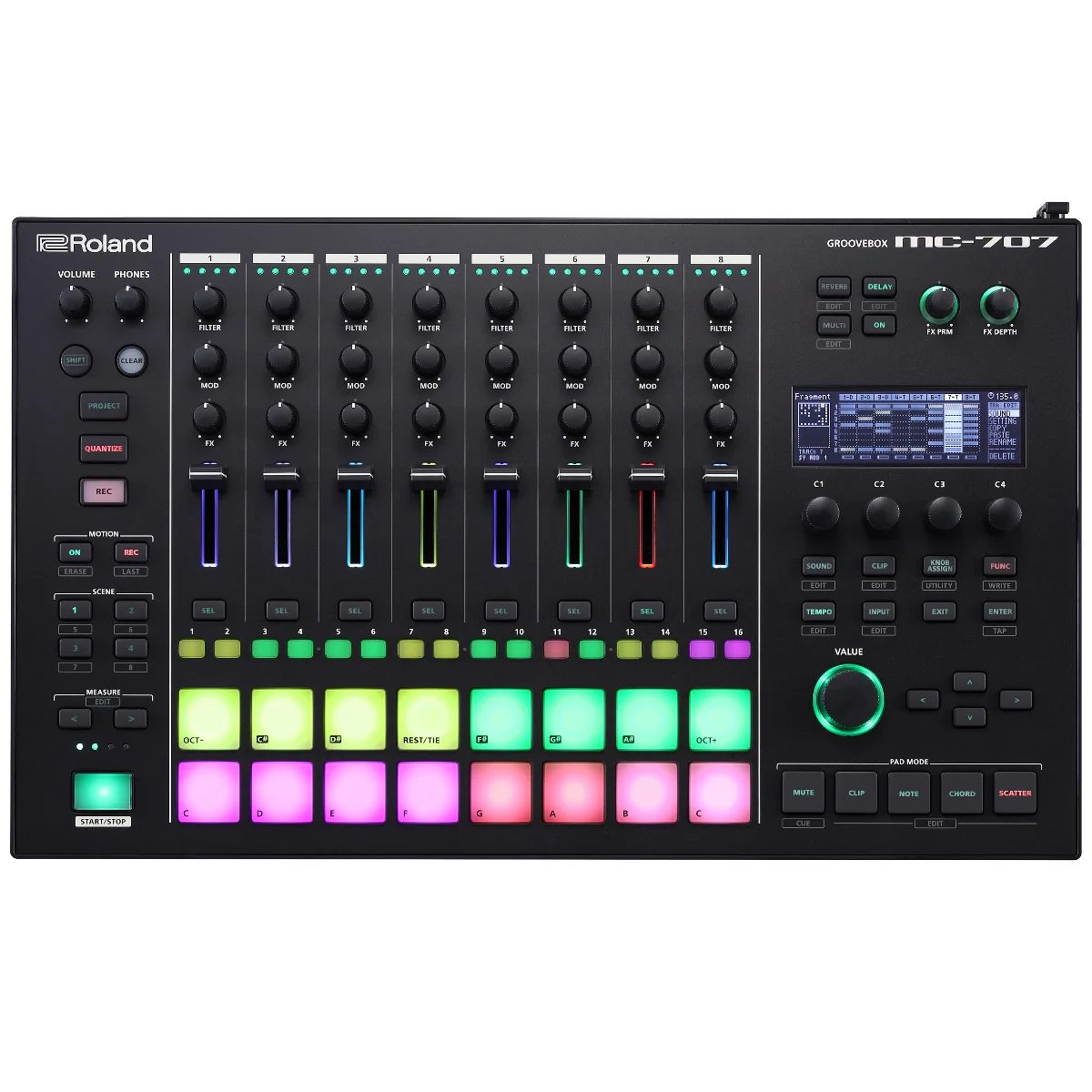
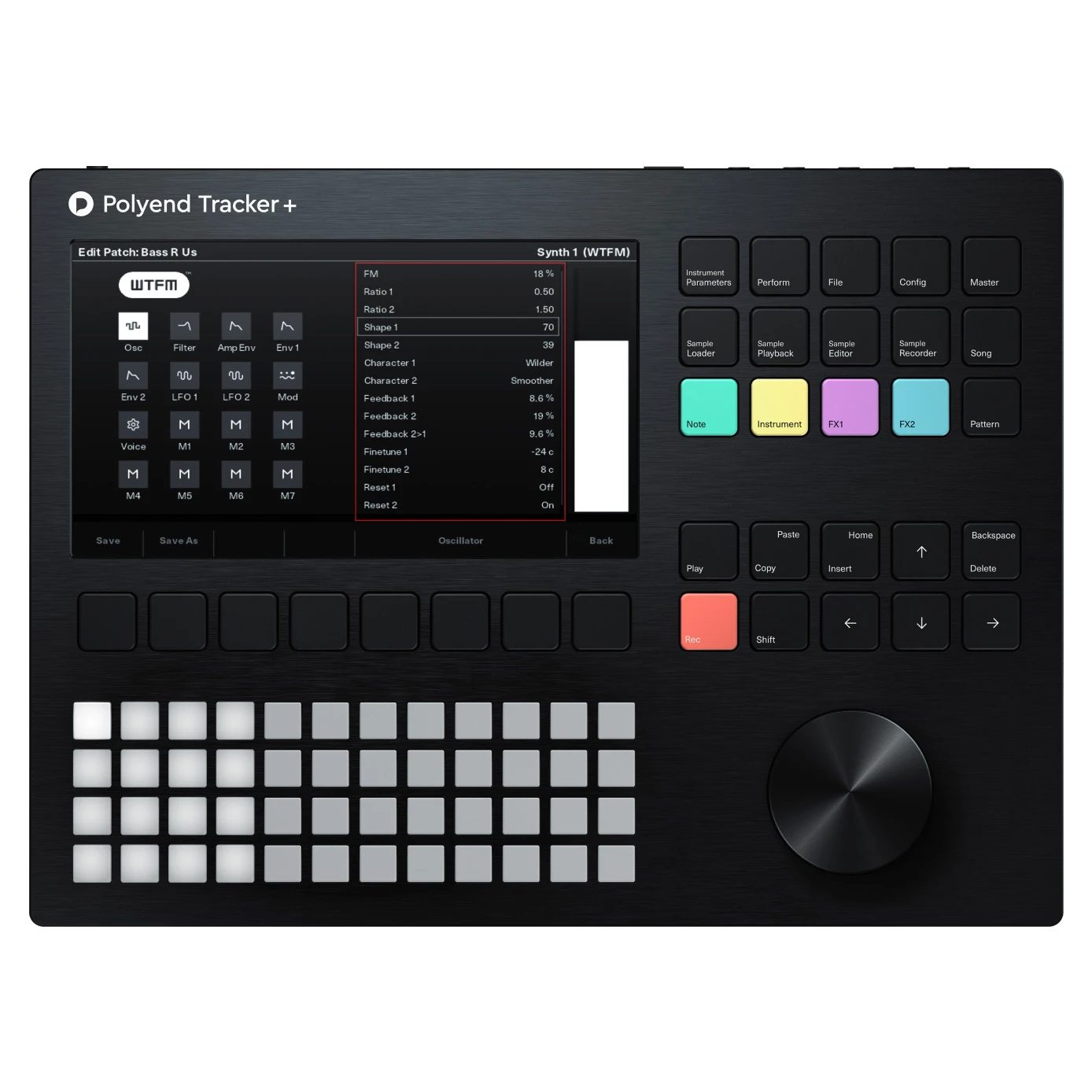
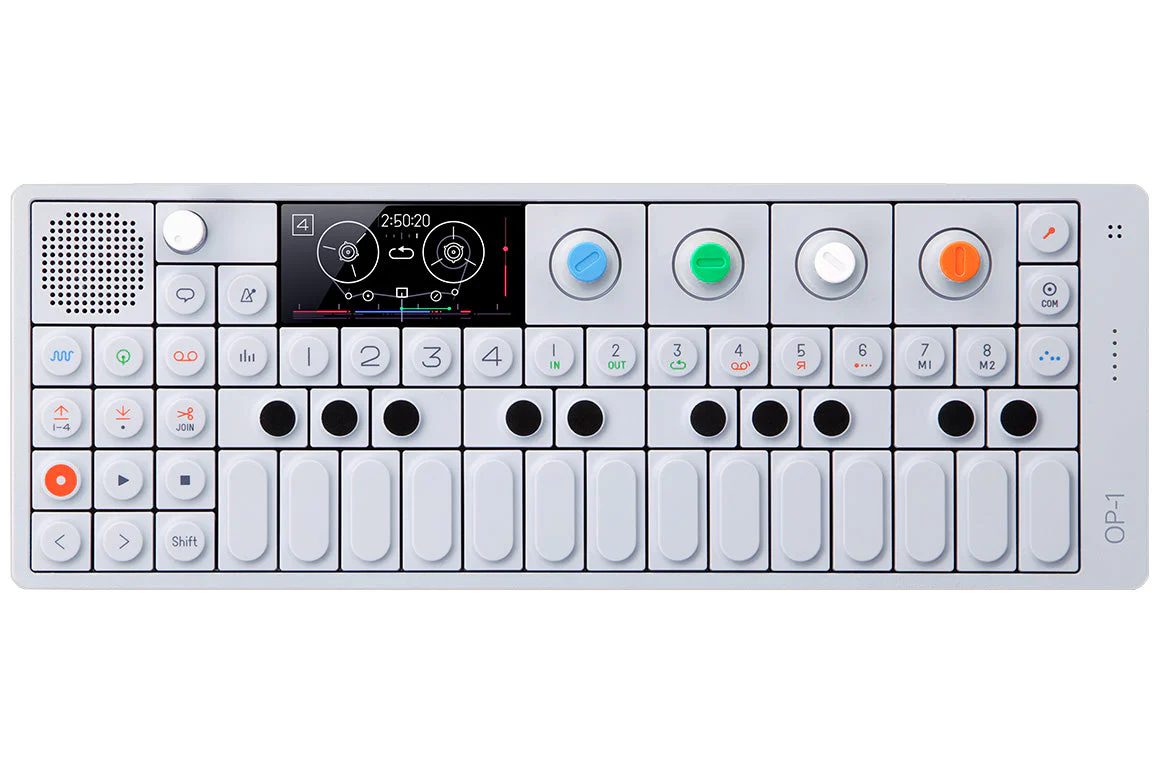
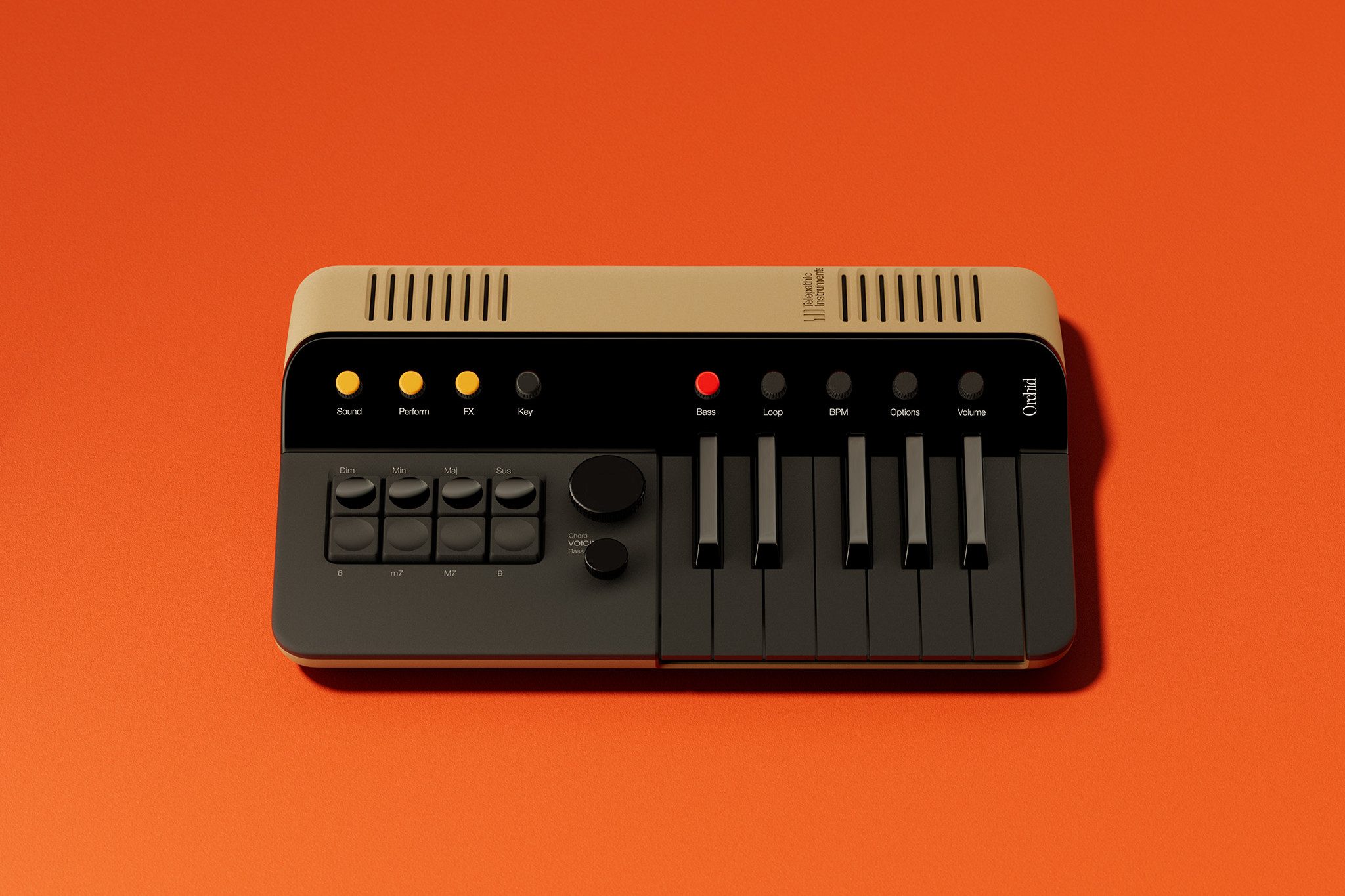
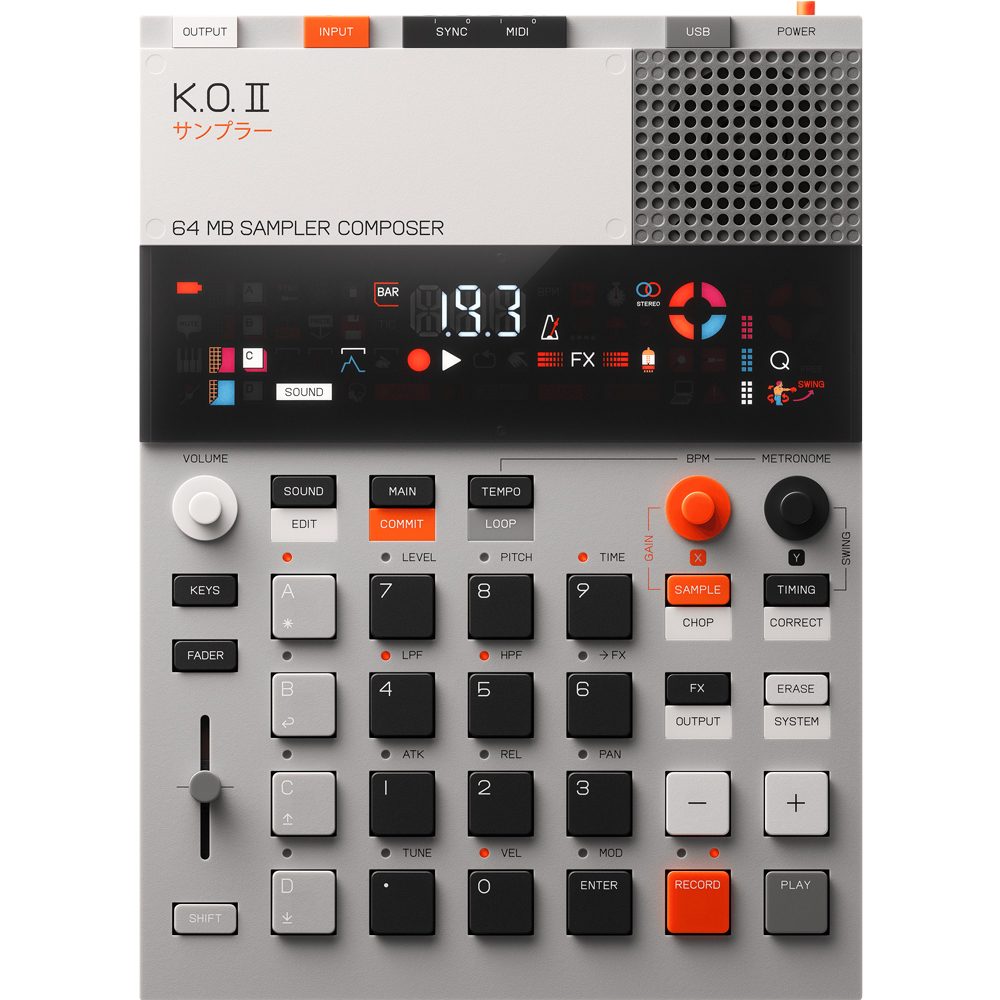
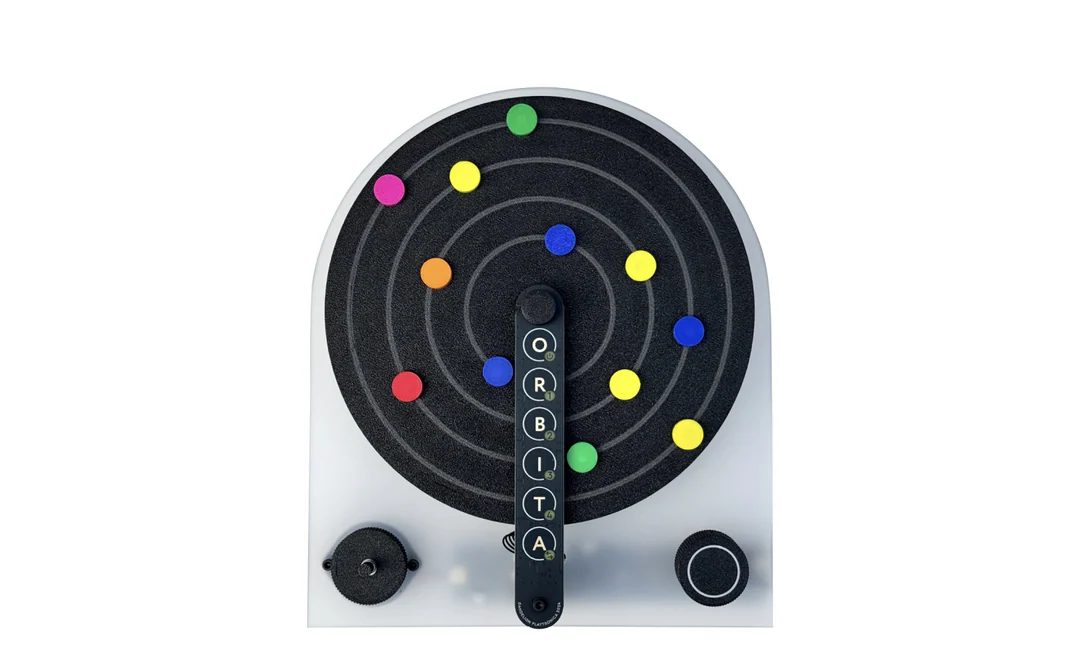
Mapping the market along two axes — musical expression vs. ease of use — reveals a clear gap. Highly expressive tools require significant expertise. Accessible tools sacrifice depth. LAYR is designed to occupy the upper right.
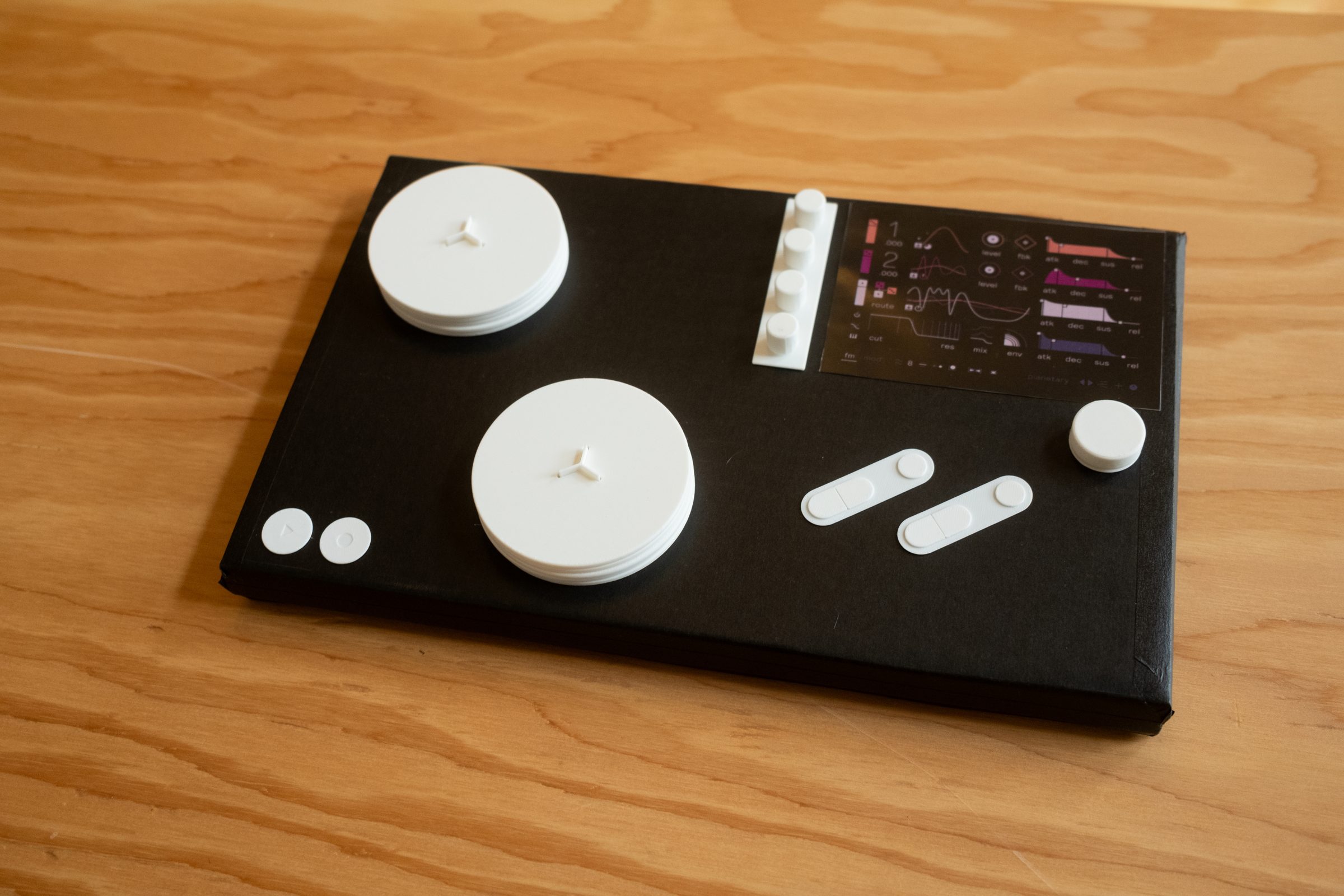
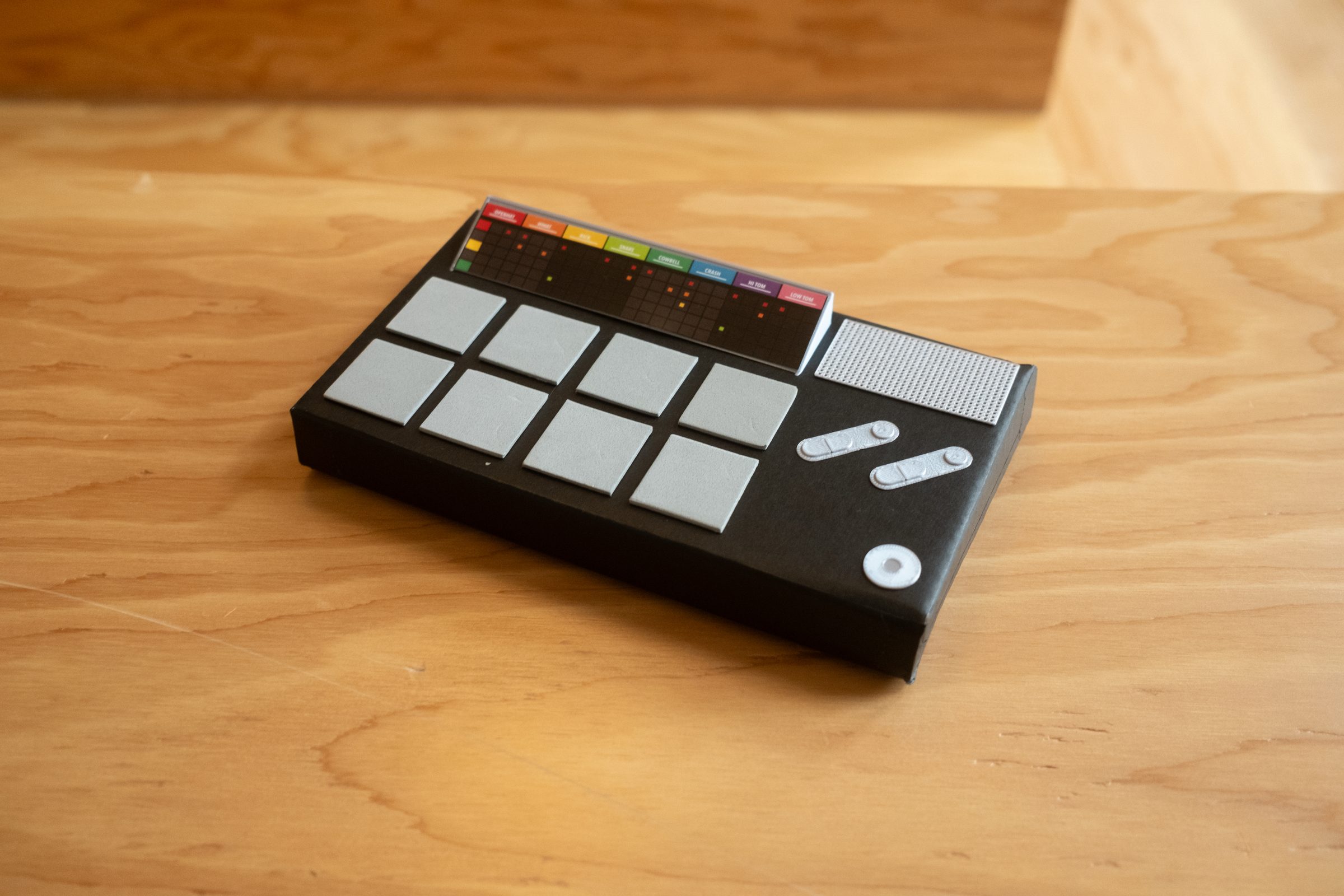
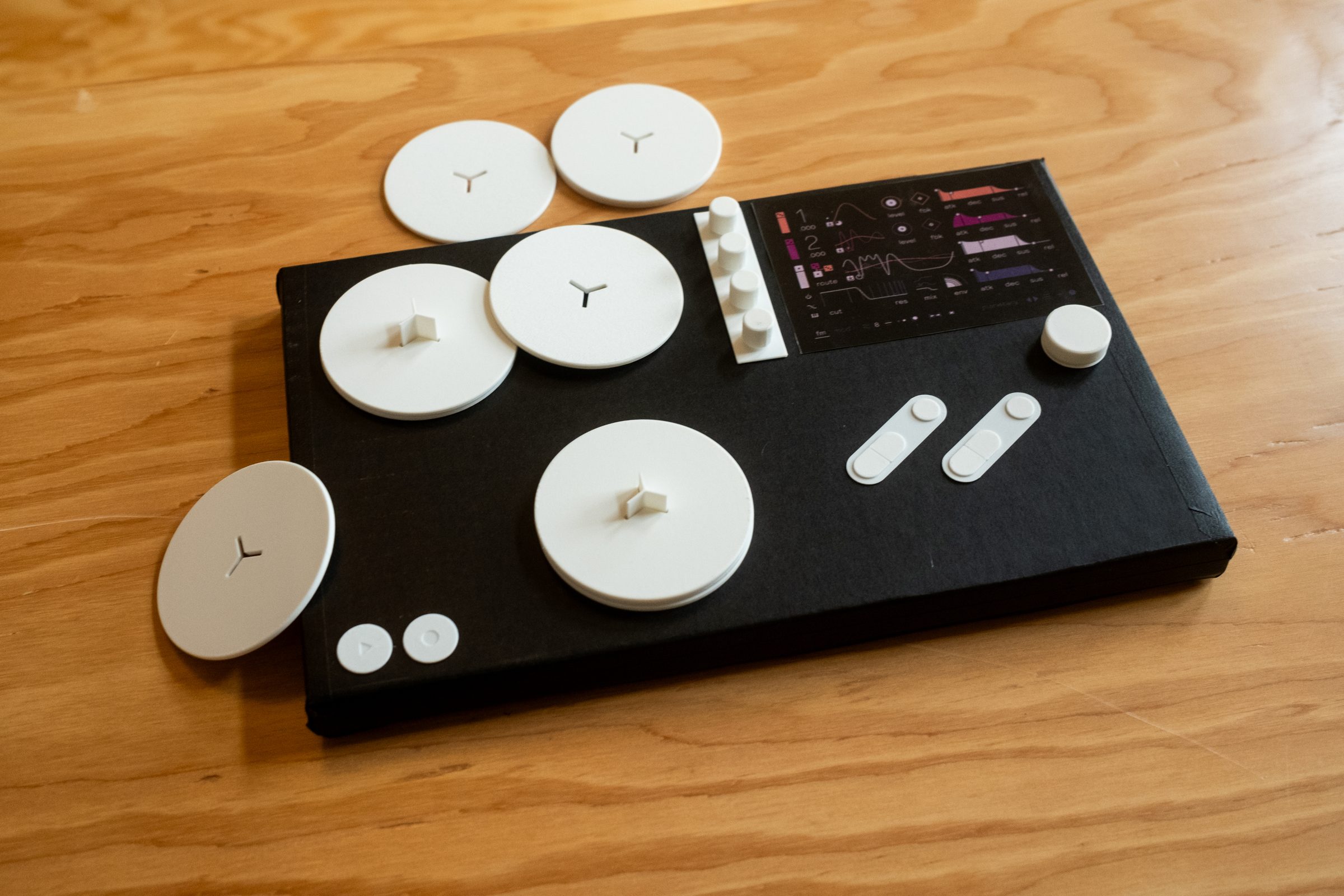
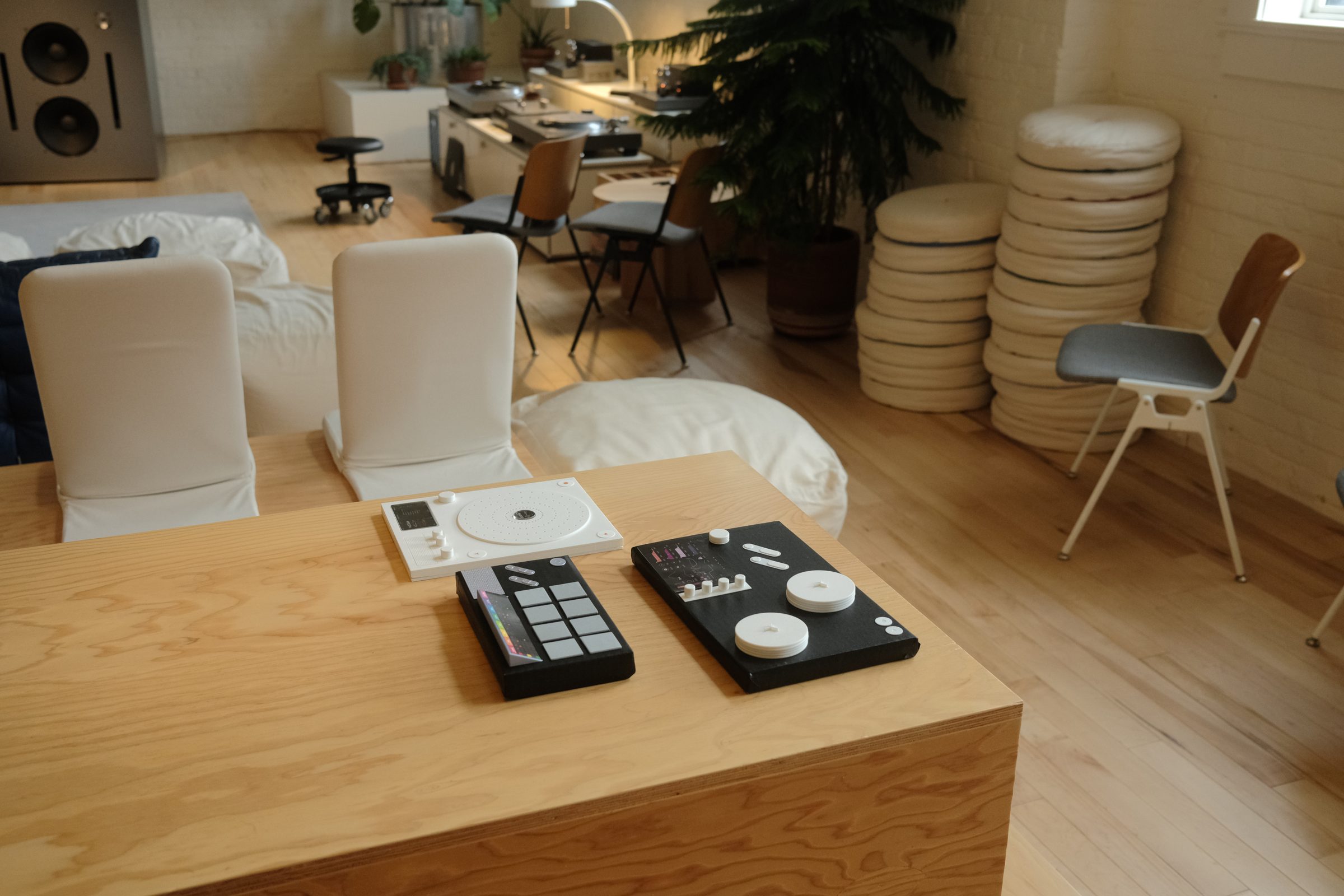
 LAYR
LAYR
Competitive landscape: musical expression vs. ease of use